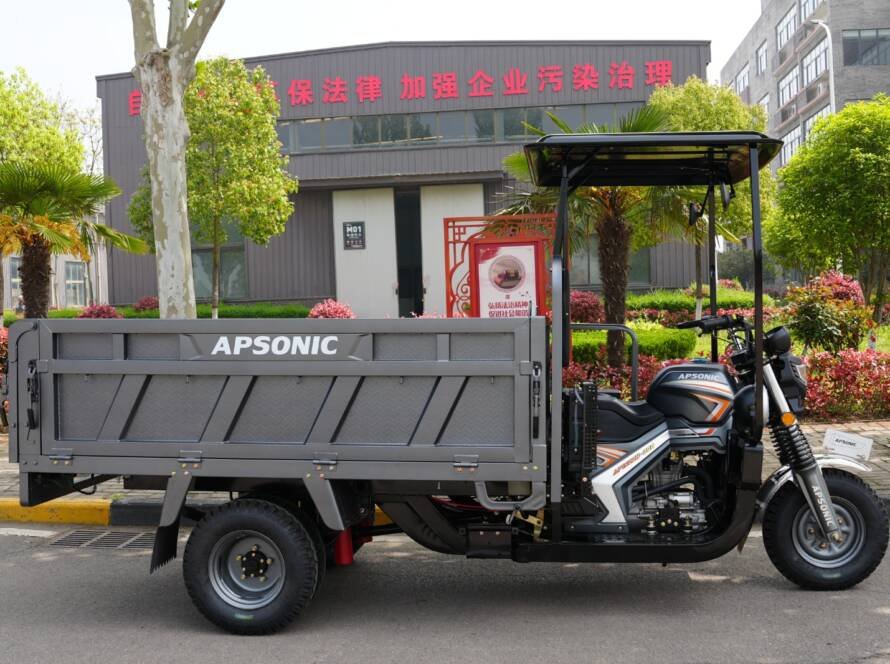
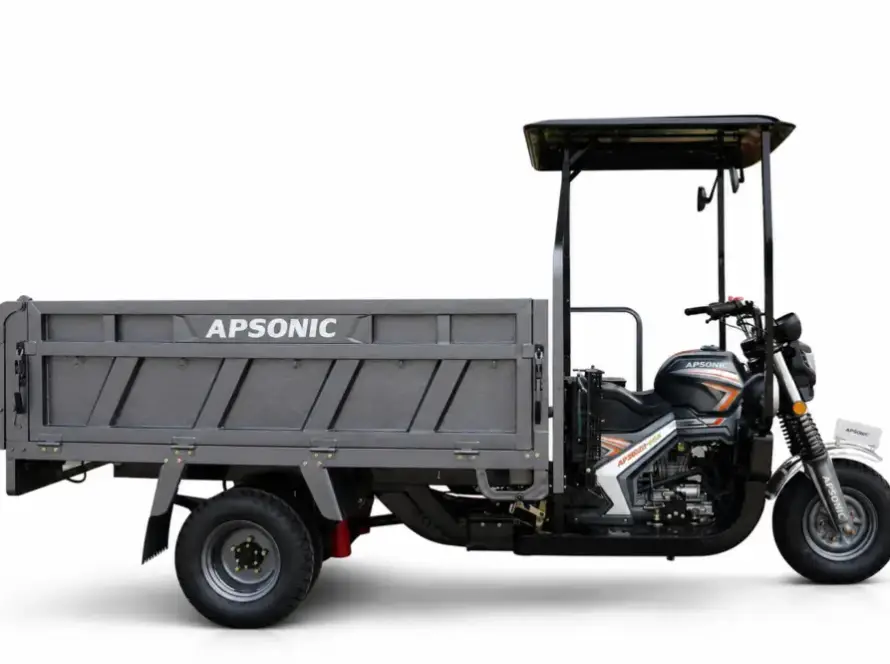
Kenya’s delivery economy — e-commerce, courier services, market vendors, small construction jobs — runs on vehicles that are cheaper to buy and run than a pickup, but can carry more than a boda boda. That gap is exactly where the cargo tuk tuk business sits, and it’s why so many Kenyans are asking the same question: is it actually worth starting one, and what does it take?
Is a cargo tuk tuk business profitable in Kenya?
Realistically, yes — but with a wide range depending on how you run it. Owner-operators working consistent routes commonly report gross earnings of around KSh 1,500 to KSh 3,000 a day, before fuel and maintenance. If you hire a driver instead of operating it yourself, the driver typically remits a fixed daily amount to you and keeps the rest after fuel, which usually nets the driver KSh 1,000–1,500 and you a smaller but passive return.
The business is competitive — tuk tuks have become a common sight in most towns — so profitability comes down to route selection, keeping the vehicle roadworthy, and controlling your two biggest costs: fuel and repairs.
Choosing the right cargo tuk tuk for your business
The single biggest mistake new operators make is buying more — or less — capacity than they actually need.
- Light parcel and courier work in town: a smaller 200cc unit like the Sonlink 200cc Agile (from KSh 350,000) is the most affordable entry point and cheaper to run for short, frequent trips.
- Heavier loads, longer routes, construction or farm produce: a higher-displacement model built as a true workhorse, such as the Haojin MC300ZH-1G (from KSh 580,000), carries more per trip and holds up better under sustained load.
Match the unit to what you’ll actually carry most days, not the heaviest possible load you might occasionally take on. Overbuying ties up capital and increases your fuel cost per trip for no benefit.
What cargo tuk tuks are actually used for in Kenya
- Courier and parcel delivery, including last-mile e-commerce drops in Nairobi and other urban centres
- Market vendors moving produce between farms, markets and shops
- Milk, farm tools and produce transport in rural and peri-urban areas
- Construction material haulage on small sites
- Water and gas cylinder delivery
- Contracted waste collection
The common thread is flexibility — a cargo tuk tuk can change routes and loads day to day in a way a fixed delivery contract with a larger vehicle can’t.
Financing your first cargo tuk tuk
You don’t need the full purchase price saved up to get started. Hire purchase on a cargo tuk tuk starts from around KSh 15,000 a month depending on the model, deposit and term, which means you can put a unit to work and pay it off from what it earns rather than raising the full amount first. The exact deposit and monthly figure for any model can be worked out in advance using the financing calculator before you commit.
Keeping the business profitable
- Track fuel and maintenance daily. These are your two biggest variable costs and the easiest to lose track of.
- Service on schedule, not when something breaks. A missed service is usually a more expensive repair later.
- Pick a route or niche and stick to it. Regular customers on a known route beat roaming for one-off jobs.
- Put driver terms in writing. If you’re hiring a driver, agree the daily remittance and fuel arrangement upfront to avoid disputes later.
Ndisi Traders sells cargo tuk tuks from Homa Bay to buyers across Kenya, including Nairobi, with countrywide delivery and hire purchase available on every model. If you’re weighing up which unit fits your business, the team is reachable directly on WhatsApp to talk through load, route and budget before you buy.